

In today’s business landscape, where accelerated change is the norm, leaders face the challenge of keeping their organizations agile and their people engaged. One of the most powerful—yet often overlooked—tools for achieving this is the psychological contract.
A psychological contract is not a written agreement. Instead, it’s an individual’s system of beliefs about the promises and commitments made by their organization in exchange for their work. These contracts are formed through everyday interactions—recruitment, onboarding, performance reviews, team projects, and development activities. They are shaped by what employees perceive has been promised, whether explicitly or implicitly, and whether those promises are kept.
Unlike formal contracts, psychological contracts are invisible and deeply personal. They may not be observable by others and can even be unconscious to the person holding the belief. Yet, they have a profound impact on workplace relationships, motivation, and organizational outcomes.
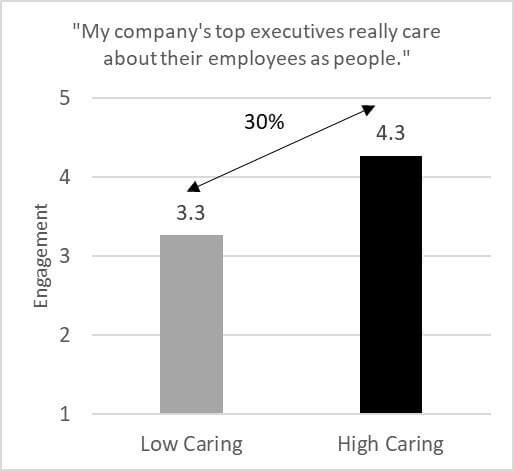
The fulfillment or breach of psychological contracts directly influences employee attitudes and behaviors. Our research found that when employees believe their organization has honored its promises, they report higher job satisfaction, engagement, and brand loyalty.
Respondents who perceived their organizations as fulfilling their commitments to them had 21x higher recommendation and job satisfaction ratings than those who perceived contract breach; the difference for employee engagement was 7.4x.
The bottom line? Employees’ beliefs about whether their organizations have fulfilled their implicit promises to them or not has a profound impact on whether they will advocate for the brand, be satisfied with their work, and give the extra effort and energy required to meet challenging business objectives.
To learn more about psychological contracts, read the full Purple Paper® or check out other short articles summarizing key findings.
Organizational culture
Discover how psychological contracts shape employee engagement, satisfaction, and brand loyalty—and why honoring them drives performance. Program card: Leading Culture, Change, and Engagement™
Organizational culture
Learn how psychological contracts shape engagement, resilience, and trust during disruptive events and organizational change. Program card: Mastering Leadership Dynamics™

{3}
Contact us, subscribe to our newsletter, or follow us on LinkedIn to keep the conversation going.
One of our seasoned Business Advisors can guide you through our range of offerings and help you select the best options for you, your team, or your whole organization.